
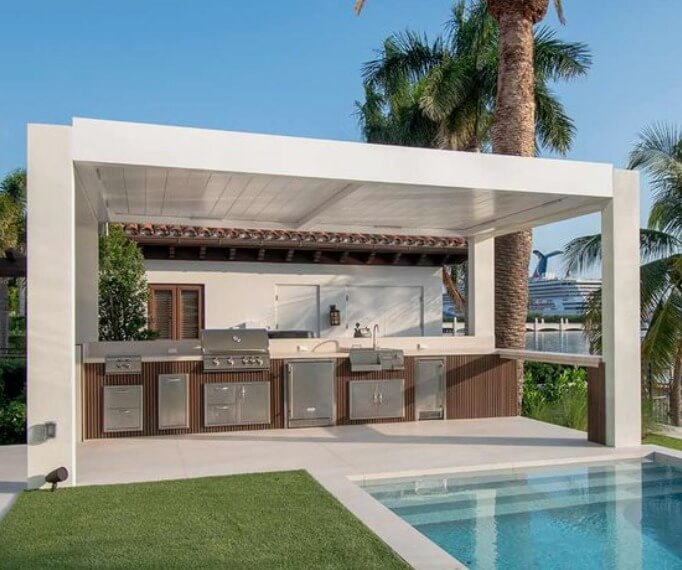
A patio cover is an essential outdoor investment that shields your living space from harsh weather while enhancing your home’s exterior appeal. However, continuous exposure to sun, rain, and airborne debris can cause unsightly buildup and premature wear if the structure is neglected.
Regular cleaning and proactive upkeep are necessary to preserve both the beauty and structural integrity of your shaded sanctuary. Establishing a consistent maintenance routine ensures your overhead structure remains safe, functional, and visually appealing year after year.
Washing Roof Panels and Support Framework
Accumulated dirt, pollen, and bird droppings can dull the finish of your overhead cover and hold moisture against the surface. A thorough, gentle cleaning routine removes built-up grime before it leads to permanent staining or finish degradation.
- Mix a mild dish soap or specialized exterior cleaner with warm water in a large bucket.
- Apply the solution using a soft-bristled brush attached to an extension pole to safely reach overhead areas.
- Rinse all surfaces thoroughly with a garden hose set to a gentle spray to remove soap residue.
- Scrub support posts and underside framing with a microfiber cloth to eliminate cobwebs and dust.
Rinsing clean surfaces prevents soap scum buildup and leaves your overhead structure looking fresh and well-maintained.
Clearing Gutters and Drainage Channels
Functional drainage is vital for directing rainwater away from your overhead roof and home foundation. When gutters and downspouts become clogged with leaves and twigs, trapped water can overflow, causing leaks and structural damage.
- Scoop out organic debris from gutter channels at least twice a year, especially during autumn.
- Flush downspouts with a high-pressure hose nozzle to clear stubborn blockages and hidden sediment.
- Inspect gutter seals and joints for leaks, applying fresh waterproof sealant where necessary.
- Check that downspout extensions discharge water safely away from support post footings.
Keeping water flowing freely prevents stagnant pooling that can warp framing materials and attract unwanted pests.
Removing Mold, Mildew, and Algae
Shaded areas beneath outdoor covers can trap humidity, creating the ideal environment for unsightly mold, mildew, and algae growth. Addressing organic growth immediately prevents unsightly discoloration and stops spores from spreading across your patio.
- Spray affected areas with a solution of equal parts white vinegar and water for a gentle, natural treatment.
- Use a diluted bleach solution on stubborn stains, testing a small hidden spot first to prevent discoloration.
- Scrub growth gently using a soft nylon brush to lift embedded spores without scratching the finish.
- Allow the cleaning solution to sit for ten minutes before rinsing the entire area completely.
Promptly eliminating mold and algae preserves the sanitary environment of your outdoor living space while protecting surface finishes.
Inspecting Hardware and Structural Connections
Strong winds, seasonal temperature changes, and natural building settling can loosen mechanical fasteners over time. Routine structural audits ensure that every beam, post, and bracket remains securely anchored and safe for your family.
- Tighten loose bolts, screws, and mounting hardware along the house ledger board and post bases.
- Inspect wooden components for signs of rot, checking metal frames for chips, rust, or corrosion.
- Check structural support brackets to verify that heavy overhead panels remain properly aligned.
- Re-caulk flashing lines where the overhead structure attaches to your home’s main roofline.
Addressing minor hardware issues early prevents structural sag and ensures your cover remains resilient against heavy storm winds.
Applying Protective Finishes and Sealants
Exposed building materials require periodic reconditioning to resist damaging ultraviolet rays and persistent moisture infiltration. Reapplying protective coatings revives original colors while creating an impenetrable barrier against severe weathering.
- Apply a fresh coat of UV-resistant stain or exterior sealant to wooden structures every few years.
- Touch up scratched metal or aluminum frames with matching exterior rust-inhibiting paint.
- Treat polycarbonate or vinyl roof panels with protective clear coats designed to prevent yellowing.
- Seal concrete post footings to block ground moisture from creeping upward into structural supports.
Investing time in protective surface treatments significantly extends the working lifespan of your entire outdoor installation.
Maximizing the Beauty and Value of Your Covered Retreat
Caring for your patio cover through routine cleaning and timely repairs is the best way to safeguard your home improvement investment. By keeping drainage lines clear, removing surface grime, and inspecting hardware, you create a pristine outdoor space for relaxing and entertaining.
Committing to a simple seasonal maintenance schedule offers continuous peace of mind and keeps your backyard looking its best. Prioritize these practical care steps today so you can enjoy a safe, stunning overhead cover for years to come.